Ore selection
Separate ore zones and waste. Test mineralogy, whiteness, iron, carbonate, moisture and regulated contaminants by lot.
TALC POWDER ENGINEERING GUIDE
A process-led reference for talc geology, ore preparation, crushing, controlled conveying, dry ultrafine grinding, air classification and application-specific powder design.
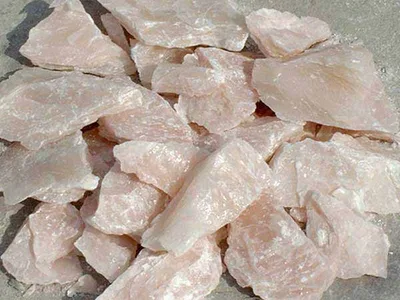
01 / Mineral fundamentals
Talc is a hydrated magnesium silicate, commonly written as Mg3Si4O10(OH)2. Its layered crystal structure, low hardness, hydrophobic surface and plate-like particle shape explain its lubricity, chemical stability and barrier performance.
Commercial ore may contain chlorite, magnesite, dolomite, calcite, quartz, tremolite or other minerals. Beneficiation can include sorting, crushing, screening, magnetic separation, flotation or selective milling depending on the deposit. The correct route starts with XRD/XRF mineralogy, whiteness, moisture and contaminant testing.
Health and compliance: talc deposits can occur near amphibole or serpentine minerals. Mine-specific asbestos testing and the destination market's rules are mandatory. Grinding equipment cannot correct an unsuitable ore source.
02 / Global occurrence
USGS 2026 estimates for talc and pyrophyllite, thousand metric tonnes. Figures are rounded and may combine the two minerals; use them as production context, not a talc market-share forecast.
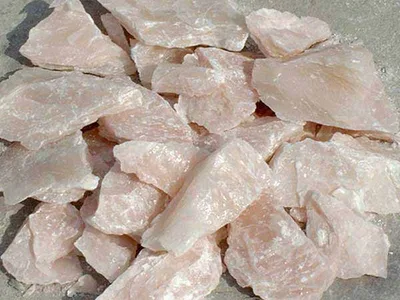
Chinese and Indian deposits, Brazilian soapstone belts, U.S. metamorphic deposits, Finnish nickel-bearing talc ores and French or Italian high-brightness sources can require different sorting and purification strategies.
03 / Process engineering
Because talc is soft, the challenge is not brute-force breakage. It is preserving brightness and platelet function while removing the coarse tail economically.
Separate ore zones and waste. Test mineralogy, whiteness, iron, carbonate, moisture and regulated contaminants by lot.
Jaw, roll or impact crushing reduces lumps to a stable feed. Low-contamination handling protects brightness.
When required, use optical sorting, magnetic separation, flotation or washing before expensive fine grinding.
Covered conveyors, a buffer bin and a controlled feeder prevent surges and keep mill residence time stable.
Compression and shear delaminate and reduce prepared talc. Avoid unnecessary temperature and over-grinding.
A dynamic air classifier returns coarse particles; cyclone and bag filter collect on-size powder under negative pressure.
Magnetic separation or flotation is added only when the ore and target market justify it. Surface treatment normally follows dry grinding and classification.
Iron pickup, quartz and dark minerals can limit high-value coatings, plastics and cosmetics grades.
A headline micron value does not show aspect ratio. Compare morphology and functional tests after grinding.
Small amounts of oversize can create paint defects, film roughness or paper-coating scratches.
Use enclosed transfer, negative pressure and a correctly sized pulse filter; follow local occupational rules.
04 / Powder design
Mesh is an approximate screening reference. Critical specifications should state D10/D50/D90 or D97, top-cut residue, brightness, oil absorption, bulk density and an end-use test.
| Typical powder band | Application examples | Why the range is used | Verify beyond fineness |
|---|---|---|---|
| 100-200 mesh 150-75 um reference | Ceramics, roofing, agricultural carriers, general mineral blends | High throughput and low grinding cost where rapid dispersion or a flawless surface is not required. | Mineralogy, moisture, iron, grit |
| 325 mesh 45 um reference | Rubber, bitumen, ceramics, basic plastics and paint extenders | A mainstream balance of surface area, dispersion, reinforcing effect and production cost. | Residue, brightness, oil absorption, dispersion |
| 600-800 mesh 25-18 um reference | Automotive plastics, coatings, paper, cable compounds and sealants | Lower coarse tail improves surface finish; platelets can add stiffness, barrier and dimensional stability. | D50/D97, aspect ratio, color, tensile or coating tests |
| 1250-2500 mesh 12-5 um reference | Premium coatings, thin films, masterbatch, specialty paper and selected personal-care grades | Fine, tightly classified powder supports smooth surfaces and uniform dispersion, provided purity and morphology are suitable. | Full PSD, microbiology/regulatory data, purity, surface treatment |
Platy particles improve stiffness, heat resistance and dimensional stability; surface treatment may improve polymer compatibility.
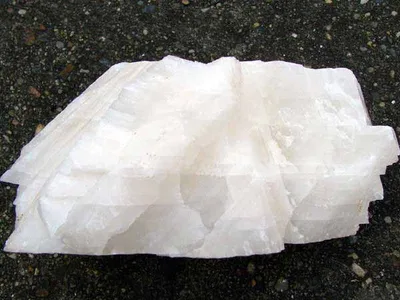
Lamellar talc supports barrier properties, suspension and sanding; a low coarse tail protects film appearance.
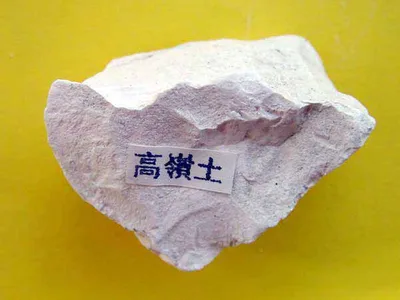
Clean, controlled powder supports pitch control, smoothness, glaze behavior and firing consistency.
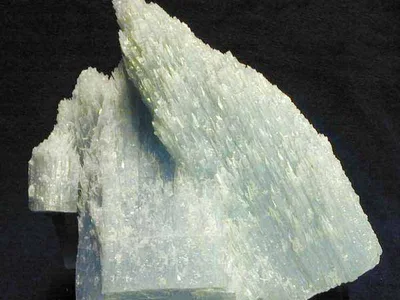
Talc can aid processing, reduce blocking and tune stiffness, permeability and compound cost.
05 / Equipment selection
Choose from target PSD, platelet morphology, contamination tolerance, capacity, energy, footprint and maintenance capability.
Choose it when: the market accepts conventional fineness and capital simplicity is the priority.
Choose it when: plant scale, existing infrastructure or a specific impact/attrition profile justifies the circuit.
Choose it when: ultrafine PSD control, compact layout and multi-grade talc production are central.
06 / CRGM technical data
Catalogue values below are reference ranges, not a talc performance guarantee. Ore purity, feed PSD, target top cut and aspect-ratio requirements can materially change output.
| Parameter | CRGM80 | CRGM100 | CRGM125 |
|---|---|---|---|
| Maximum feed size | 20 mm | ||
| Overall dimensions (L x W x H) | 15.9 x 4.2 x 6.1 m | 19.7 x 4.7 x 7.7 m | 23.2 x 4.7 x 7.7 m |
| Main unit power | 75 kW | 132 kW | 185 kW |
| Classifier power | 18.5 kW | 30 kW | 75 kW |
| Blower power | 45 kW | 75 kW | 132 kW |
| Discharge valve | 0.75 x 2 kW | 1.1 kW | 1.5 kW |
| Screw conveyor | 3 kW | 4 kW | 4 kW |
07 / Working principle
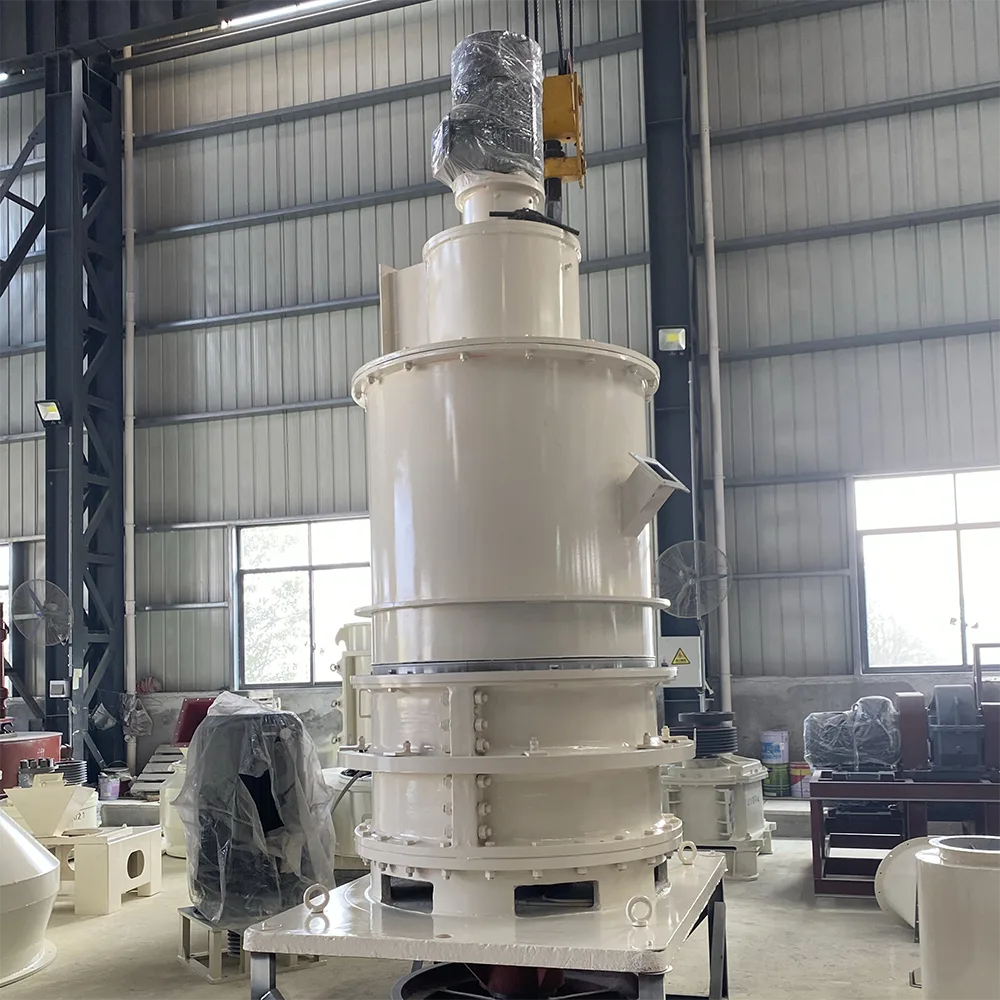
The main motor drives stacked turnplates. Rollers travel against fixed grinding rings, and prepared talc is dispersed by centrifugal force through successive grinding zones. Compression, shear and particle-to-particle interaction reduce and delaminate the material.
A high-pressure blower carries fine particles upward to the classifier. The variable-speed rotor releases particles below the selected cut point; coarse particles lose lift and return for another pass. Cyclones and a pulse bag filter recover product while maintaining negative pressure.
08 / Engineering features
These are design features, not universal performance promises. Talc morphology and final formulation results still require testing.
A vertical turbine classifier and variable speed help tune the cut point for smooth films and consistent filler grades.
Main unit, classifier, cyclone, bag filter, fan and conveying work as an integrated negative-pressure line.
No loose ball charge; wear is concentrated in known roller, ring and classifier components.
Feed rate, classifier speed and airflow can be documented as repeatable settings for multiple grades.
The catalogue states one-pass product potential down to D97 less than or equal to 5 um under suitable conditions.
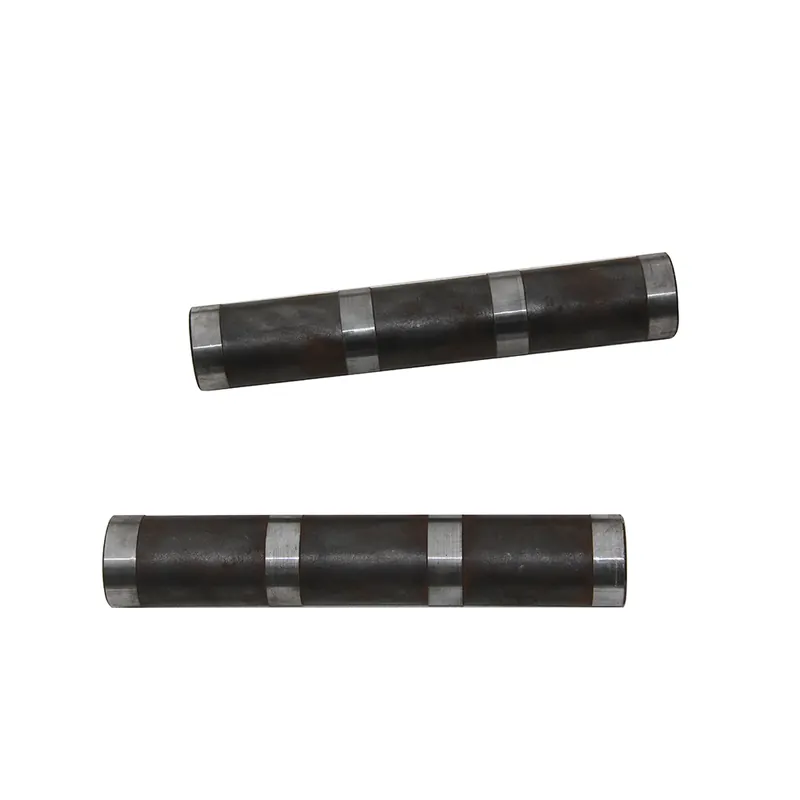
Model-matched rollers, rings, pins, shafts and classifier parts support planned maintenance.
09 / Project evidence
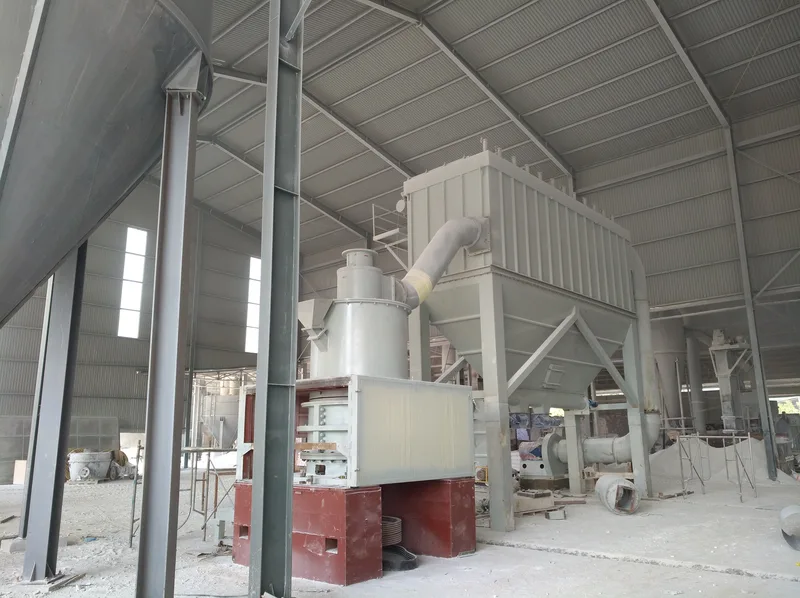
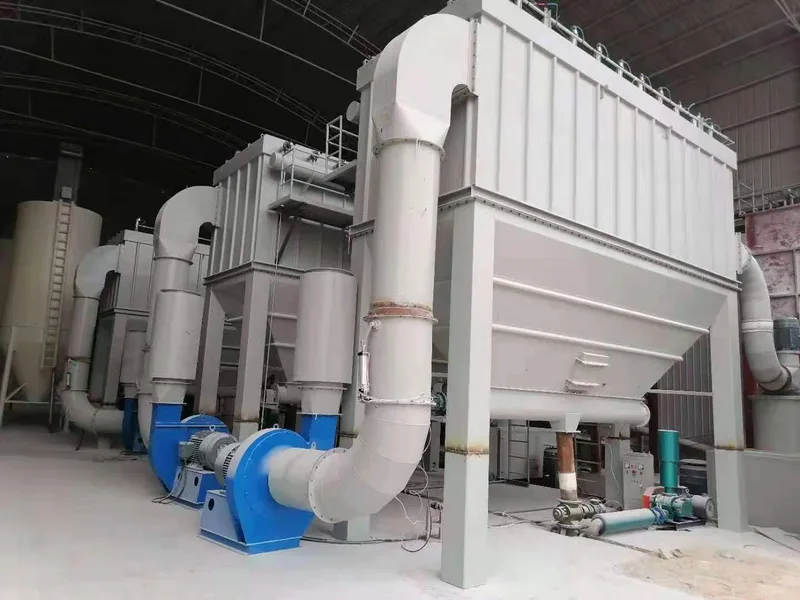
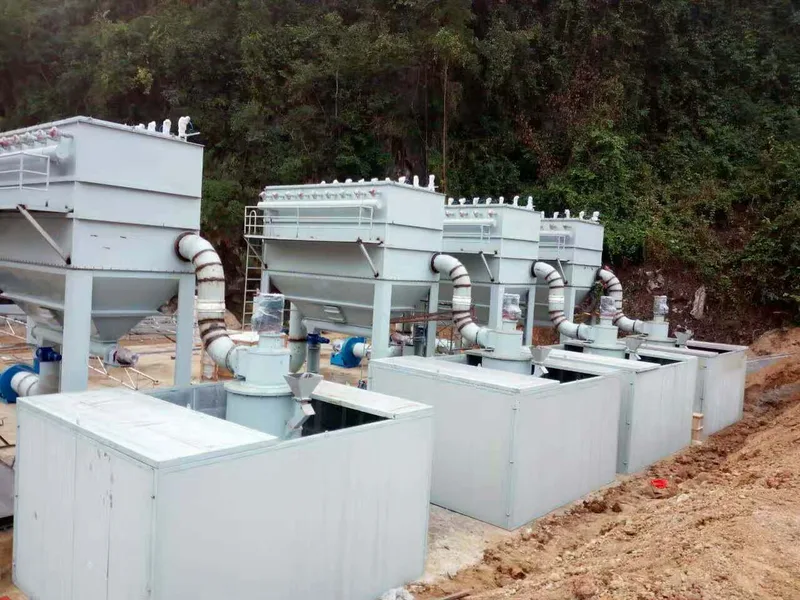
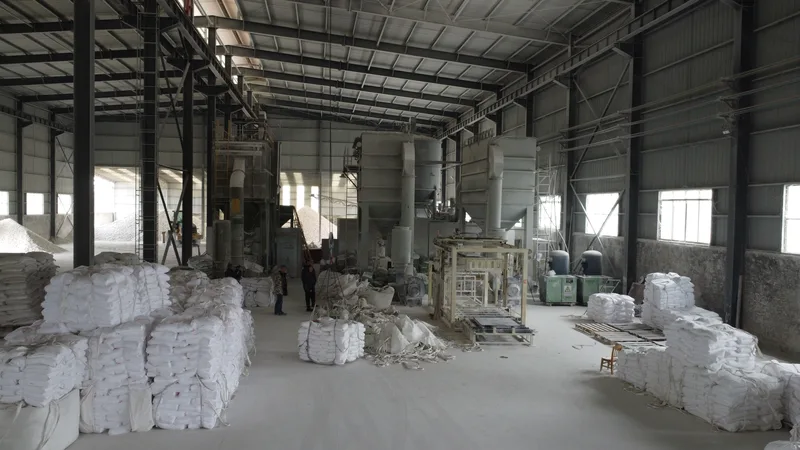
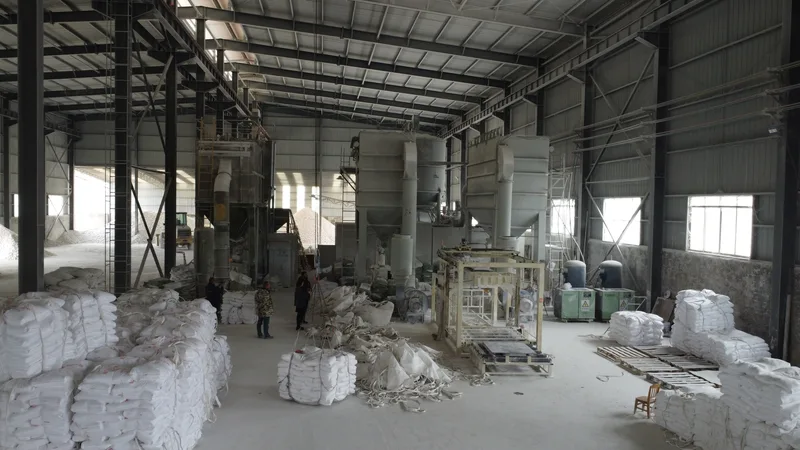
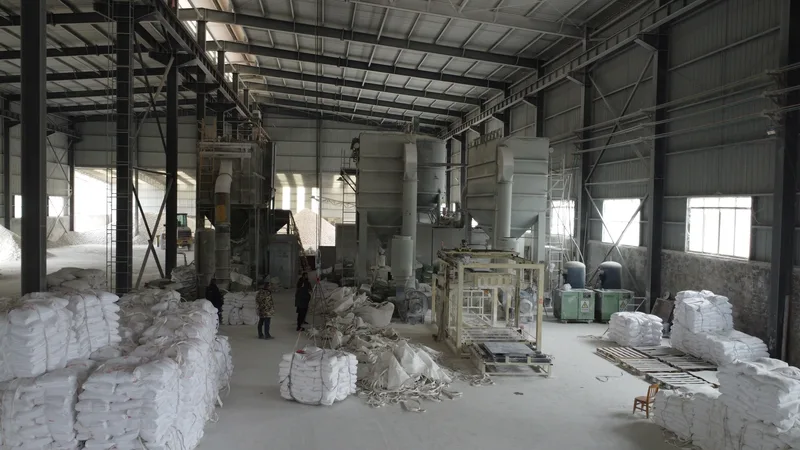
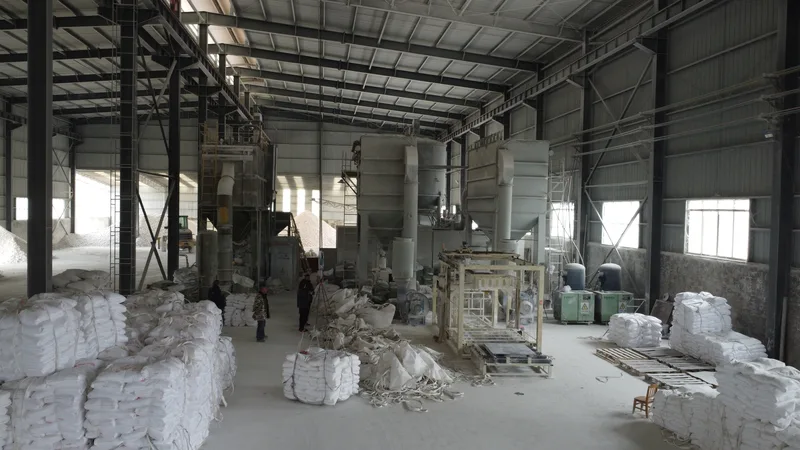
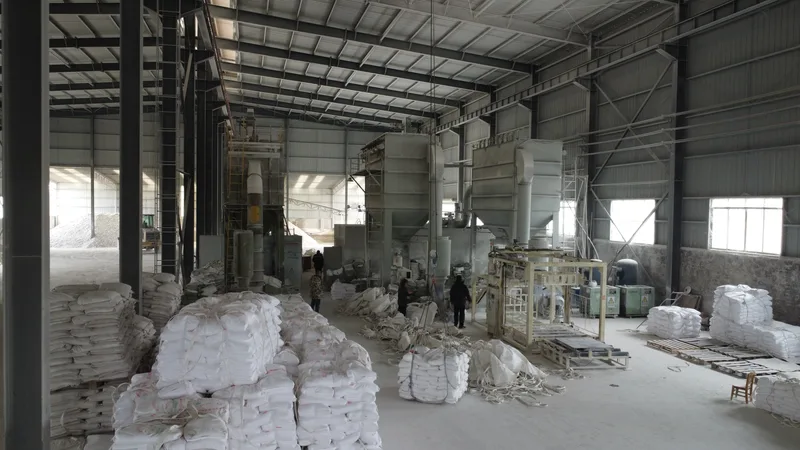
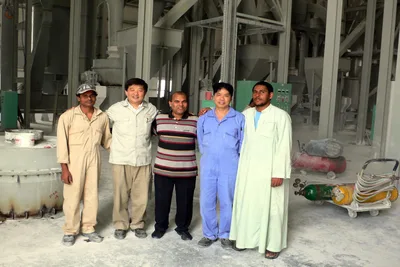
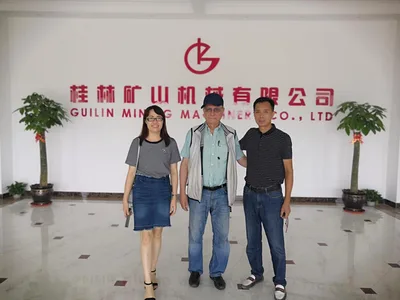
Photos come from Cronus-owned project and factory archives. They document manufacturing and installation capability; final talc selection still needs a representative sample test.
10 / Wear parts
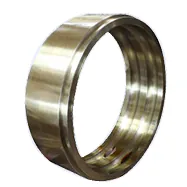
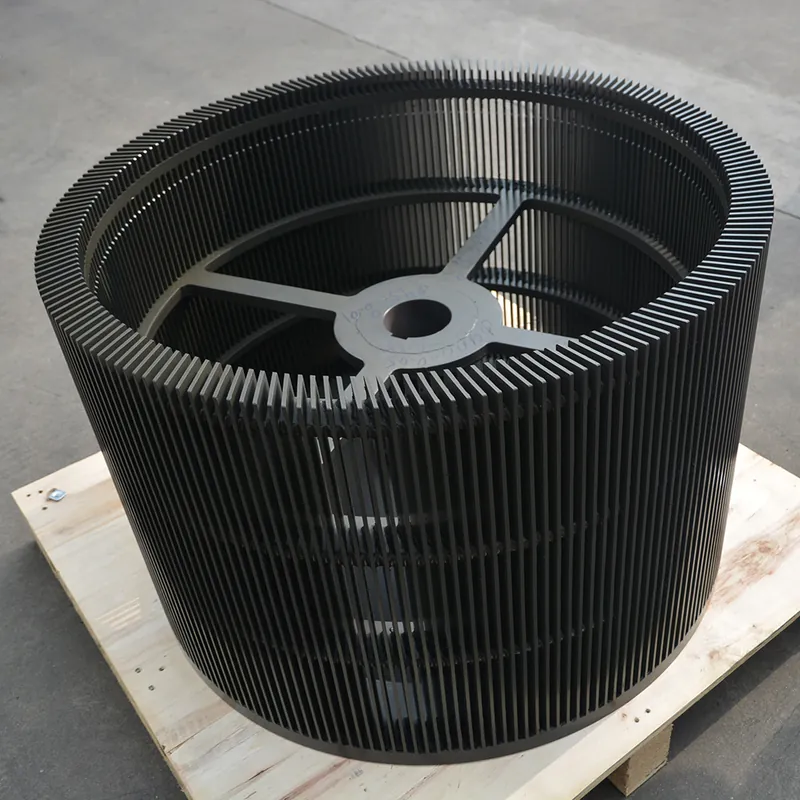
Cronus supplies the components that determine availability and powder consistency. Its own casting capability and original dimensional records help balance fit, quality, price and lifecycle cost.
Visit the main product catalogue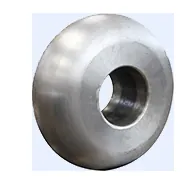
11 / About Cronus
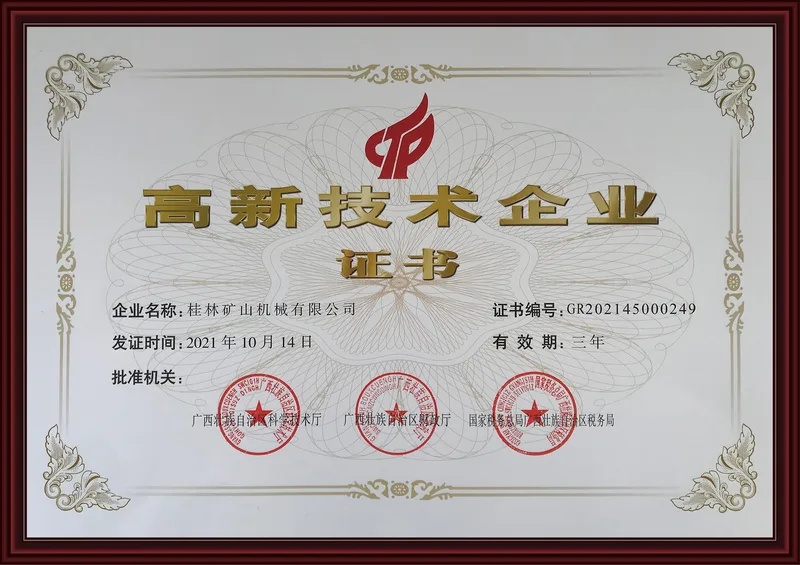
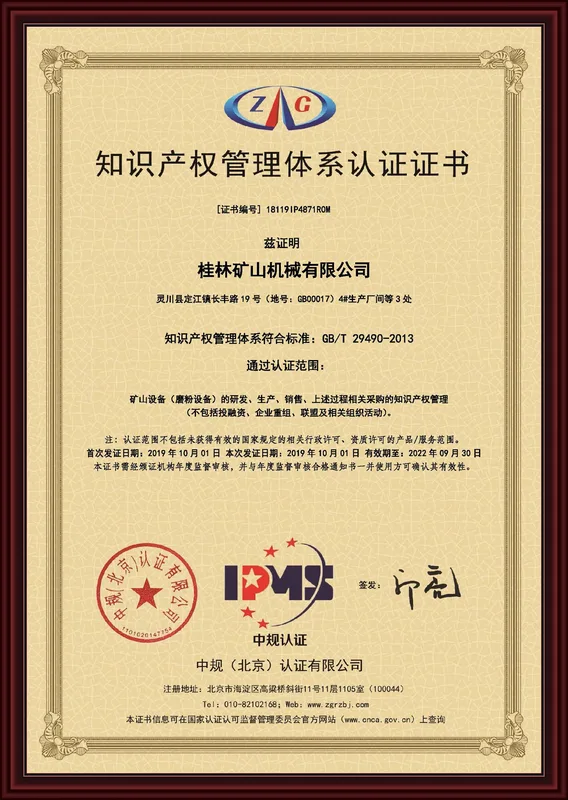
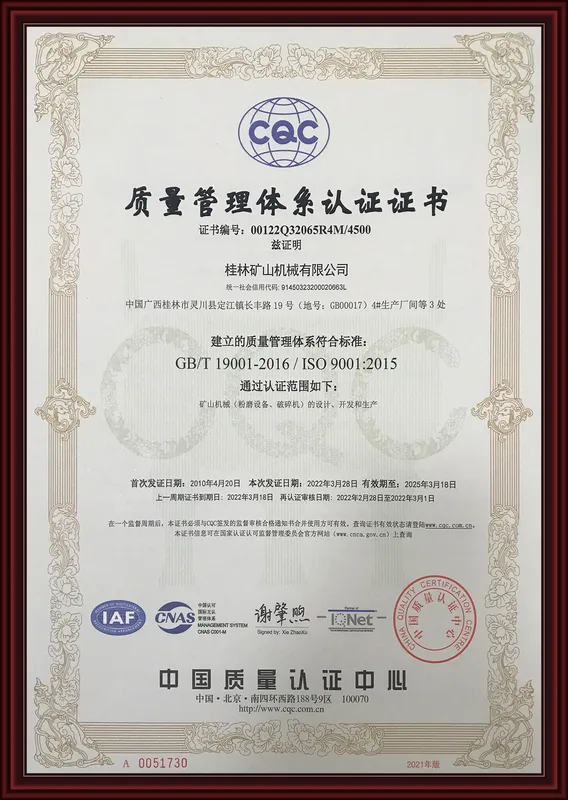
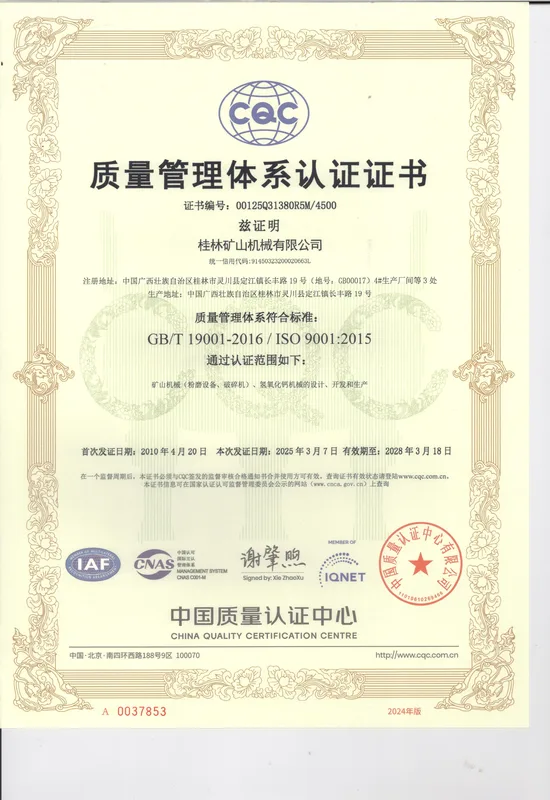
Shanghai Cronus Machinery Co., Ltd. is a wholly owned subsidiary of Guilin Mining Machinery Co., Ltd. Guikuang was founded in 1973 and has more than 50 years of experience in mineral powder equipment manufacturing.
The organization combines Shanghai-based international communication with engineering, casting, machining, assembly and testing resources in Guilin. Its portfolio includes Raymond mills, CRGM ultrafine mills, vertical roller mills and associated powder-processing equipment.
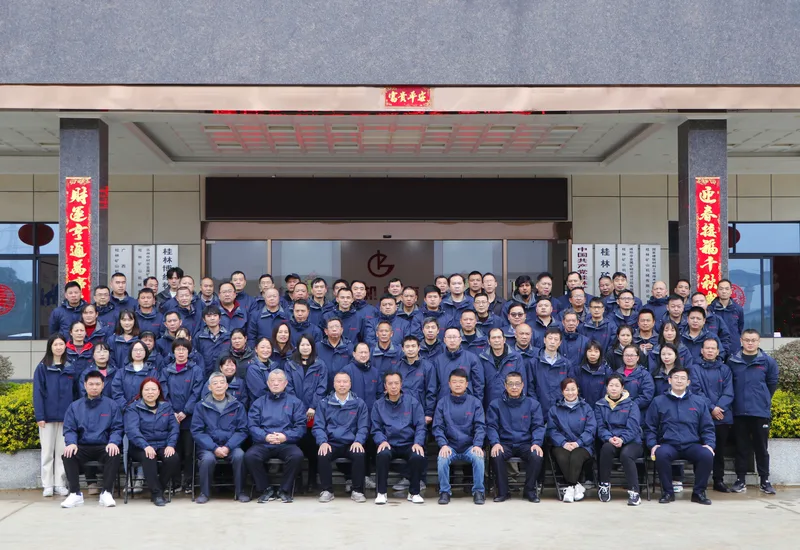 Powder-equipment team backed by a manufacturing organization established in 1973.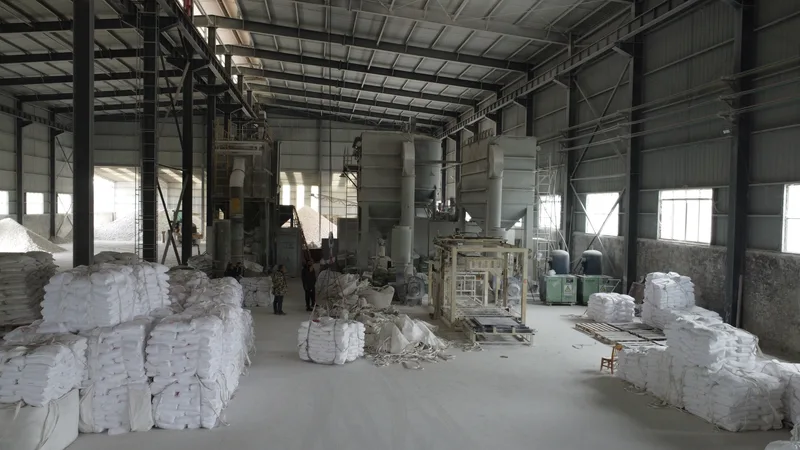
12 / Lifecycle support
Clear acceptance criteria at the start make commissioning faster and protect both parties.
Review mineralogy, moisture, feed size, target PSD, capacity, brightness and application test.
Define crushing, separation, storage, milling, collection, treatment and packing interfaces.
Inspection records, assembly checks and model-matched component documentation.
Foundation, erection, alignment, electrical and piping support for the agreed scope.
Establish safe startup, airflow balance, classifier settings and product recipes.
Daily checks, lubrication, vibration, filter differential pressure and PSD sampling.
Recommended startup spares and wear monitoring based on actual feed contamination.
Operating-data review and troubleshooting through documented measurements.


13 / FAQ
These answers are engineering starting points. A final proposal needs a representative sample and a written product acceptance method.
The catalogue states a maximum of 20 mm. A narrower and stable crushed feed usually improves metering and process consistency.
There is no universal mesh. Polymer grade, loading, surface treatment, stiffness, impact and appearance targets determine the economical PSD.
Geology can place talc near amphibole or serpentine minerals. Mine-specific testing and destination-market compliance are essential before product qualification.
No. Finer powder can improve surface finish and dispersion, but excessive grinding may reduce platelet aspect ratio and add energy without improving the formulation.
Usually it can produce multiple grades within its classifier range. Each grade needs a validated operating recipe, and throughput changes with the cut point.
State dry tonnes per hour at a defined feed size, target D-values or residue, brightness and application acceptance test. A catalogue maximum alone is insufficient.
For conventional 80-400 mesh talc with moderate coarse-tail requirements, a Raymond circuit may be simpler and economical.
Consider it for large established circuits, sites with existing ball-mill infrastructure or a product that benefits from a tested impact/attrition profile.
Ore mineralogy, iron contamination, dark inclusions, contact surfaces, dust recirculation and excessive heat can all influence measured color.
Typical items include rollers, rings, pins, classifier wear parts, filter bags, pulse valves, seals and selected drive or discharge components.
Use enclosed transfer, negative pressure, cyclones and a correctly sized pulse bag filter. Occupational exposure controls must follow local regulations.
Send 20-50 kg of representative material where feasible, plus source, mineral analysis, moisture, feed size, current PSD, target grade, capacity and final use.
14 / Technical enquiry
Share the talc source, mineralogy, moisture, feed size, target PSD, brightness, required t/h and final use. That lets the first discussion focus on a workable flowsheet.
Room 801, Building 2, Shanghai Zhicheng, No. 8666 Hunan Road, Pudong New Area, Shanghai, China